Concrete pad guide
What Size Concrete Pad Do You Need for a Shed, Hot Tub, or Patio?
A practical guide to choosing the right concrete pad size and thickness for sheds, hot tubs, patios, trash cans, AC units, and parking areas.

Concrete pad guide
A practical guide to choosing the right concrete pad size and thickness for sheds, hot tubs, patios, trash cans, AC units, and parking areas.
Planning a concrete pad sounds simple at first. You pick a spot, decide what is going on top of it, and pour the concrete.
But once you actually start measuring, a few questions usually come up pretty fast.
How big should the pad be? How thick does the concrete need to be? Should the pad be the exact same size as the shed or a little bigger? Does a hot tub need a stronger slab than a patio? What about drainage, access, and future use?
These are good questions to ask before the work starts. A concrete pad is not something you want to guess on. If it is too small, too thin, poorly placed, or not prepared correctly, it can create problems later.
The right size depends on what the pad will be used for, how much weight it needs to support, and how you want the space to function.
Here is a practical guide to choosing the right concrete pad size for common backyard and residential projects.
A concrete pad is more than just a flat surface. It is the foundation for whatever you are putting on top of it.
For a shed, the pad keeps the structure level and off the ground. For a hot tub, it supports thousands of pounds of weight. For a patio, it creates a usable outdoor space for furniture, grilling, and relaxing. For an RV or parking pad, it needs to handle vehicle weight without cracking or settling.
If the pad is too small, it may not properly support the structure or item sitting on it. If it is too large, you may pay for more concrete than you need.
Getting the size right helps the pad look better, function better, and last longer.
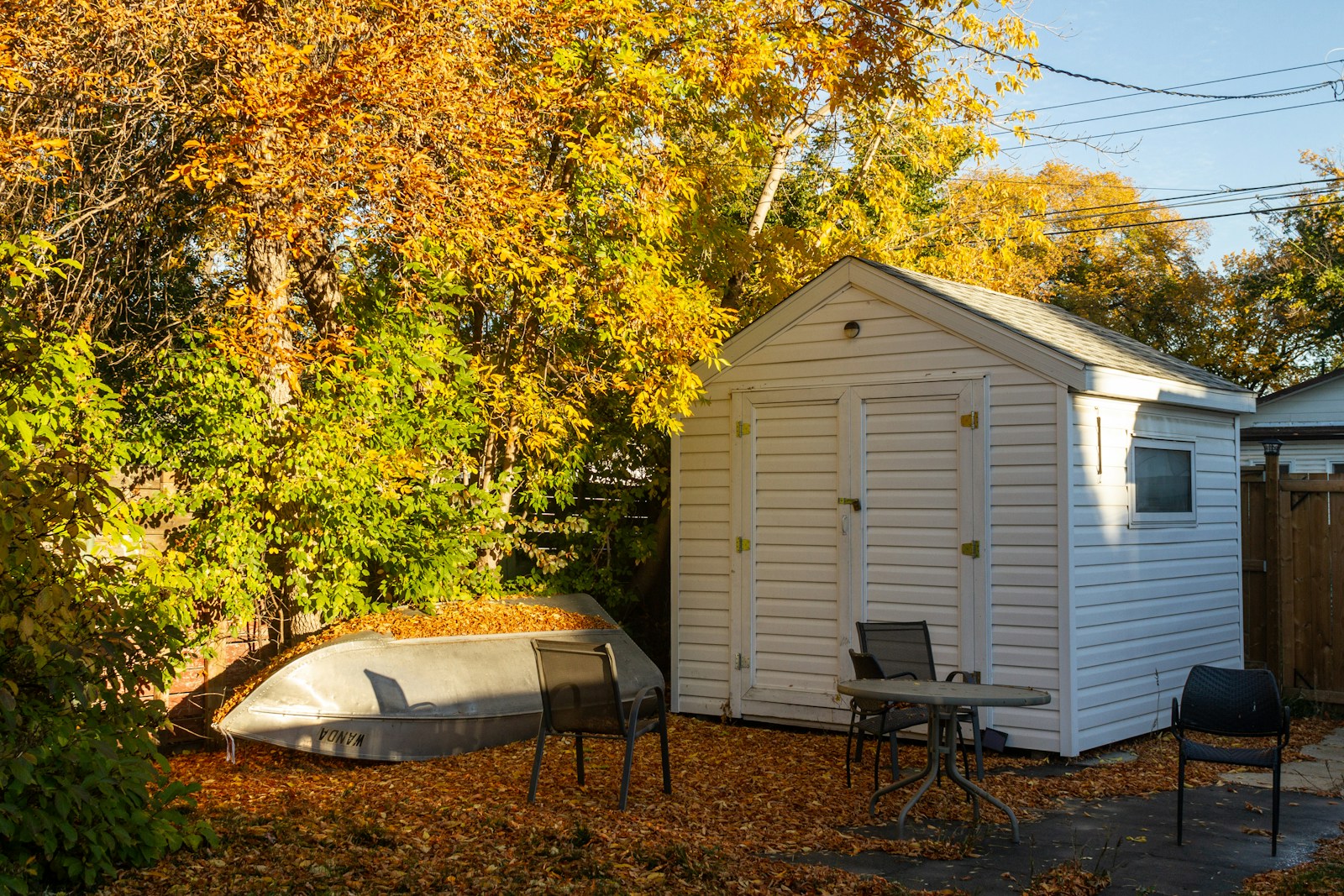
For most sheds, the concrete pad should match the shed size or be slightly larger.
For example:
An 8x10 shed usually needs at least an 8x10 concrete pad.
A 10x12 shed usually needs at least a 10x12 concrete pad.
A 12x16 shed usually needs at least a 12x16 concrete pad.
Some homeowners like the pad to extend a few inches beyond the shed on all sides. Others prefer the shed to sit directly on the pad with little or no overhang.
Both can work, but there are a few things to consider.
If the pad extends too far beyond the shed walls, rain and snow can land on the exposed concrete and run back toward the shed. That can create moisture problems if the pad is not sloped correctly.
If the pad is exactly the same size as the shed, the finished look is cleaner, but the placement needs to be very accurate.
A good rule is to check the shed manufacturer’s recommendation before deciding on the final pad dimensions. Some shed companies have specific requirements for the base.
For most backyard sheds, a 4-inch-thick concrete pad is common. Larger sheds, heavier sheds, or sheds used for equipment may need additional thickness or reinforcement.
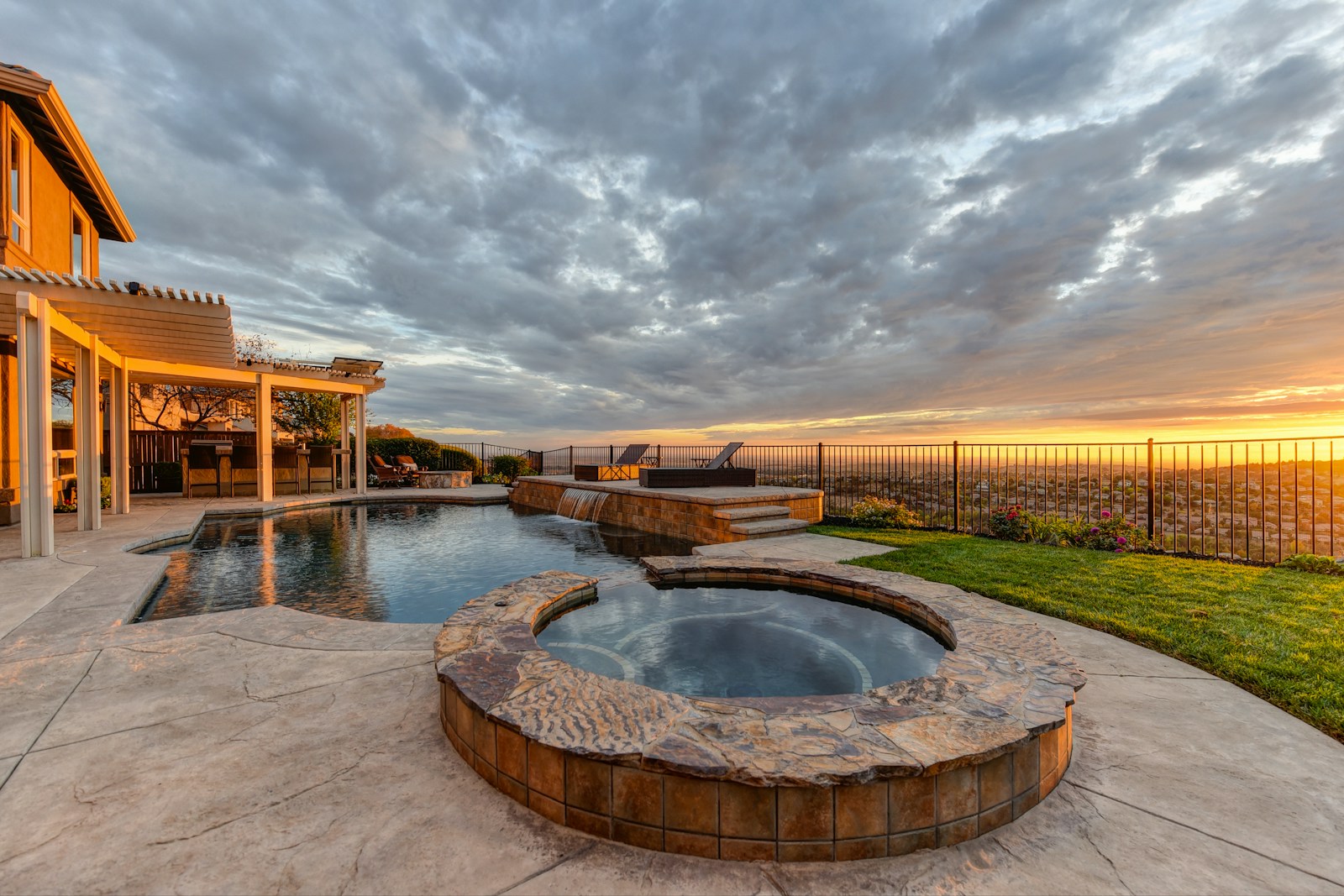
Hot tub pads need more planning than most people realize.
A filled hot tub is extremely heavy. Once you add water and people, even a medium-sized hot tub can weigh several thousand pounds. That weight needs to sit on a flat, stable, reinforced surface.
The concrete pad should usually be at least the same size as the hot tub footprint. In many cases, it is smart to add a little extra room around the tub for steps, access panels, and walking space.
For example, if your hot tub is 7 feet by 7 feet, you may want a pad that is at least 8 feet by 8 feet. If you want room for steps or a small walkway around the tub, you may want something closer to 10 feet by 10 feet or larger.
You should also think about service access. Hot tubs have panels that may need to be opened for maintenance or repairs. If the tub is squeezed too tightly against a wall, fence, or landscaping, it can make future service more difficult.
Hot tub pads are often poured thicker than simple utility pads. Many hot tub pads are at least 4 inches thick, but depending on the tub size, soil conditions, and manufacturer recommendations, 5 or 6 inches may be a better choice.
Reinforcement is also important. A properly prepared base, compacted gravel, and reinforcement can help reduce the risk of cracking or settling.
This is one project where you really do not want to cut corners. If the pad settles unevenly, it can affect the hot tub and create expensive problems.

A patio pad is all about how you plan to use the space.
A small patio for two chairs and a little table may only need to be 8x10 or 10x10. A larger patio for outdoor dining, grilling, and entertaining may need to be 12x16, 16x20, or bigger.
Before deciding on the size, think about what you actually want to put on the patio.
A small bistro set needs much less room than a six-person dining table. A grill needs space around it. Lounge chairs take up more room than people expect. You may also want walking room so the patio does not feel cramped.
Here are a few general examples:
A small sitting area may work well at 8x10 or 10x10.
A dining area may need around 10x12 or 12x12.
A larger entertaining patio may be 12x16, 16x20, or more.
Shape matters too. A simple rectangle is usually the most affordable. Curves, corners, extensions, and custom shapes can look great, but they may increase labor and forming costs.
Most standard patio pads are around 4 inches thick. If the patio will support especially heavy features, such as a built-in outdoor kitchen, large fire feature, or heavy furniture, the pad may need to be designed differently.
Drainage also matters. A patio should slope slightly away from the house so water does not collect near the foundation.
A small trash can pad can make a surprisingly big difference.
Instead of storing garbage cans on dirt, gravel, grass, or uneven ground, a small concrete pad gives them a clean and stable place to sit.
Most trash can pads are fairly small. A common size may be around 4x6, 5x6, or 6x8, depending on how many cans you have and whether you want extra room to move them around.
If you have two cans, measure the width and depth of both cans side by side, then add extra space so they are not jammed together. If you have garbage, recycling, and green waste cans, you may want a wider pad.
A trash can pad does not usually need to be overly thick. For most homes, a basic 4-inch pad is enough. The main goal is to create a level, durable surface that keeps the cans from tipping, sinking into mud, or damaging the grass.
Placement is important. The pad should be convenient to access but not in the way of daily use. Many homeowners place trash can pads along the side yard, near a fence, or beside the driveway.
Concrete pads are also commonly used for air conditioning units.
The pad should be large enough to fully support the unit while leaving some space around it. You do not want the AC unit sitting right on the edge of the concrete.
The exact size depends on the unit, but many residential AC pads are around 3x3, 3x4, or 4x4.
It is important that the pad is level and stable. If the AC unit sits on an uneven surface, it may vibrate, shift, or put stress on the lines connected to the home.
Drainage matters here too. Water should not pool around the unit or against the foundation. A small, properly placed pad helps keep the unit elevated and supported.
RV pads, boat pads, and parking pads need to be built stronger than basic backyard pads.
The size depends on what you plan to park.
A small trailer may only need a narrow parking strip. A full RV may need a long, wide pad with enough room to open doors, walk around the vehicle, and avoid driving over the edges.
A common RV pad may be around 10 to 12 feet wide and 30 to 40 feet long, but larger RVs may need more space. If the pad is being used for a truck, trailer, or boat, the measurements should be based on the actual vehicle and how it will be parked.
Thickness is especially important for parking pads. Vehicle traffic puts more stress on concrete than foot traffic. Many parking pads are 5 to 6 inches thick, depending on the soil, weight, reinforcement, and intended use.
The base underneath the concrete is just as important as the concrete itself. A properly compacted gravel base helps support the slab and reduce cracking.
Most small residential concrete pads are around 4 inches thick. This can work well for patios, shed pads, trash can pads, walkways, and light-use areas.
Heavier uses may need more.
A hot tub pad, RV pad, parking pad, or equipment pad may need 5 or 6 inches of concrete, plus reinforcement and a stronger base.
Thickness should be based on the purpose of the pad, not just the size. A small hot tub pad may need to be stronger than a much larger patio because it carries more concentrated weight.
That is why it helps to tell your contractor exactly what the pad will be used for.
Concrete is only as good as what sits underneath it.
If the soil is soft, uneven, poorly compacted, or full of organic material, the pad may shift or crack over time. A good concrete pad starts with proper excavation, grading, compacted base material, and forms.
This part of the project is easy to overlook because it is mostly hidden once the concrete is poured. But it is one of the biggest factors in how long the pad lasts.
Good prep work may cost more upfront, but it usually saves money over time.
In many cases, slightly bigger is better.
A shed pad that gives you room to step in and out can be more useful. A hot tub pad with space for steps is easier to use. A patio that has room to move around furniture feels much more comfortable.
That does not mean you should make the pad huge. Extra concrete adds cost. But it is worth thinking about how the space will feel after everything is installed.
A pad that looks big when it is empty can feel much smaller once a shed, hot tub, table, chairs, grill, or vehicle is on it.
Choosing the right concrete pad size depends on the project, the property, and the way you plan to use the space.
A shed pad, hot tub pad, patio pad, AC pad, trash can pad, and RV pad all have different requirements. Some need basic support. Others need extra thickness, reinforcement, drainage planning, or a stronger base.
If you are planning a concrete pad in Utah, our team can help you figure out the right size, thickness, and layout for your project. We will look at the area, talk through what the pad will be used for, and give you a clear estimate based on your specific space.
Whether you already know the dimensions or are still deciding, we can help you build a concrete pad that is useful, durable, and built the right way from the start.


Tell us what you’re trying to support, park, or improve and we’ll help think through the right pad size, location, and finish.
Request an estimate
Share the pad size, location, and intended use. We’ll follow up about access, prep, timing, and next steps.